
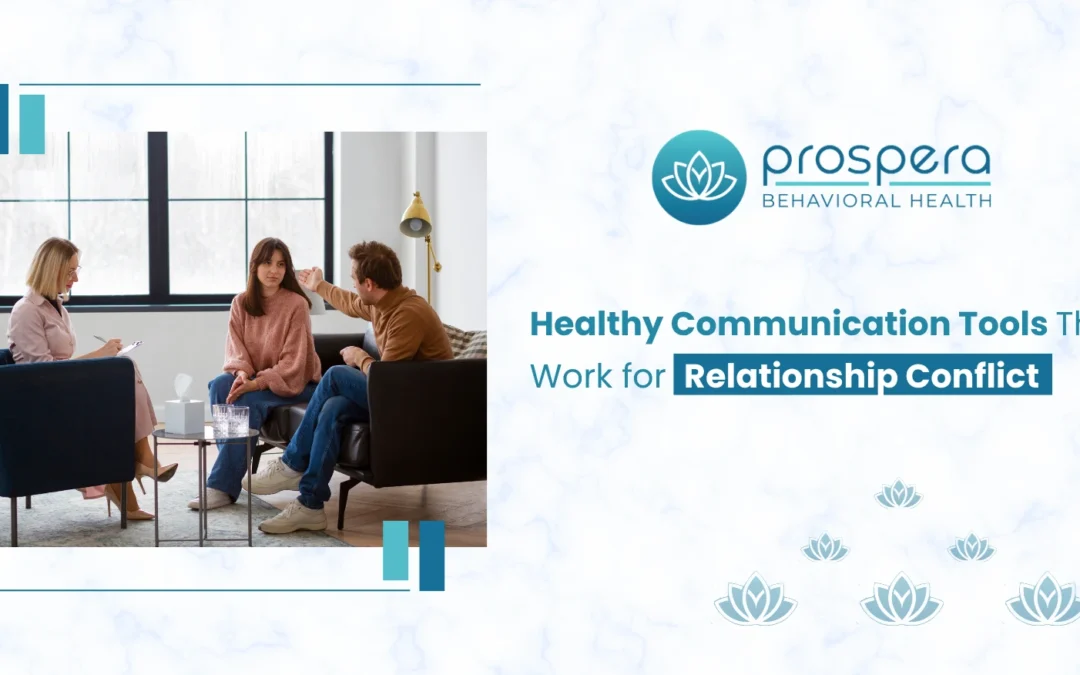
Most couples or people in conflict don’t actually disagree about that much. What they disagree about is what the other person meant, whether they’re being heard, and whether any of this is going to change. The content of an argument is hardly ever the whole of the argument. In reality, it is usually pangs of feeling dismissed, missed, or as if the other person was just doing a half-assed job while talking.
The tools that actually address conflict in relationships focus on that layer, not just the disagreement. They’re not complicated to understand. When the experience matters most, when emotions are running high, they are more difficult to use.
The Gap Between Talking and Communicating
Two people can talk at each other for an hour and come out of it feeling more stuck than before. Talking and communicating aren’t the same thing. Communication in conflict requires that one person is actually trying to understand rather than simply waiting to respond, which is harder than it sounds when you’re already frustrated.
One of the most consistent findings in relationship research is that couples in distress tend to make attributions about intent. When a partner does something hurtful, distressed couples are more likely to assume it was intentional or a sign of some deeper problem with that person’s character. Happy couples tend to give more charitable explanations for the same behavior. The communication tools below mostly work by creating space for charitable interpretation when the automatic one would be critical.
Slowing Down Enough to Actually Use a Skill
Most communication advice sounds reasonable when you read it at a desk and falls apart the moment your nervous system is activated. A flooded nervous system, heart rate up, jaw tight, mind narrowing, genuinely cannot access the same flexibility of thinking that’s available when calm. John Gottman’s research on couples identified physiological flooding as one of the primary reasons communication skills fail in the moment they’re needed most.
The single most useful thing before any tool is a pause. Not storming off. Not stonewalling. A deliberately named break, twenty minutes or longer, before trying to talk through something that’s gone hot. The brain needs that long to physically come back down from a stress response, and trying to use any skill before it does tends to produce a clumsy, tense version of the skill that doesn’t land the way it would otherwise.
What Actually Happens With “I” Statements
I-statements get taught in almost every communication context and used badly in almost as many. The format is straightforward: say what you feel, name the specific behavior that contributed to it, and leave out the accusation. “I felt hurt when the plans changed last minute” instead of “you always do this.”
Where people go wrong is loading the I-statement with blame anyway. “I feel like you’re being selfish” is not an I-statement. It’s a you-statement wearing different clothes. The test is whether the sentence could be true regardless of intent. Feeling hurt is something that happened inside you. Feeling like someone is selfish is a judgment about them.
When done right, I-statements lessen defensiveness because there is less to be defensive about. The other person can’t argue with what you felt. They can discuss what they meant or meant not, but that is another and more productive discussion.
Reflecting Before Responding
In reflective listening, one person pauses in their own responding long enough to summarize what they just heard and ensure that they understood it accurately. It is uncomfortable because it is slow and requires sitting with someone else’s experience before giving your own.
There are certain reasons it tends to work. Those who feel truly heard usually soften dramatically without the other person needing to talk them into anything. It also requires that the listener track exactly what was said instead of filtering it through their own emotional reaction. It catches miscommunications early before they snowball.
- “What I’m hearing is that you felt like the decision got made without you. Is that right?”
- “So when that happened, you were mostly worried about this becoming a pattern, not the specific incident?”
- “It sounds like it wasn’t really about the thing itself, more about feeling like an afterthought.”
The goal isn’t to agree. It’s to understand accurately enough that the other person feels like someone is actually in there with them.
Repair Attempts and Why They Fail
A repair attempt is anything one person does mid-conflict to de-escalate, a joke, an acknowledgment, reaching out to touch the other person’s arm, saying “okay I think we’re getting off track.” Gottman’s research found that whether repair attempts succeed has less to do with how they’re done and more to do with the overall climate of the relationship. In a relationship with a lot of positive history, a small repair attempt lands. In a relationship that’s been accumulating resentment for a while, the same attempt gets dismissed or misread.
This matters because it reframes what individual communication skills can accomplish. A skill used inside a damaged relationship doesn’t work as well as the same skill used inside one with goodwill. Which is one of the reasons the tools have to be practiced when things are going fine, not just reached for during the worst moments.
The Four Things That Tend to Derail Everything
Gottman came up with four communication patterns that are extremely predictive of relationship distress: criticism (attacking the person instead of the behavior), contempt (disgust, mockery, eye-rolling), defensiveness (deflecting instead of listening), and stonewalling (shutting down completely). He called them the Four Horsemen and found that the greatest indicator of relationship breakdown is the contempt displayed.
Noticing which of these shows up in a conflict, and being honest about which one tends to be a personal default, is often more useful than any specific technique. Most tools are attempts to interrupt one of these four patterns. Knowing which one is being interrupted and why makes them easier to use.
When the Tools Keep Failing
Good communication tools help a lot of relationships. They don’t fix every problem. Part of what causes some conflicts to recur is that they are indicative of honest differences in values, or it’s an unresolved issue for someone individually, or perhaps there’s a rupture in trust and the skill work on top of it is not addressing this directly beforehand. The fact that the same argument keeps resurfacing, dressed differently?
Seeking relationship and marriage counselling support does not mean a relationship is broken. It often means there are underlying patterns, unresolved conflicts, or trust issues that are difficult to work through alone. A therapist can help both partners understand what’s happening beneath the surface and create healthier ways to communicate and reconnect.
A therapist can help you access what is under the patterns repeating over and over again.
Call (713) 804-9120 or visit prospera-bh.com to book a free consultation.